Essential Tips For Planning A Road Trip – Smart, Stress-Free Guide
Essential tips for planning a road trip that help you stay safe, organized, and ready for adventure. Learn how to plan smarter and enjoy every mile.
Planning a road trip becomes easier when you focus on safety, route preparation, budgeting, packing smart, and staying flexible. These essential tips help you enjoy the drive, avoid stress, and create a smooth adventure from start to finish. Learn how to organize your route, gear, and schedule efficiently.
Essential Tips For Planning A Road Trip
Have you ever hit the road only to realize you forgot something important, missed a turn, or underestimated your budget? Road trips are exciting, but they can get stressful fast without the right plan. Thankfully, a few simple steps can turn your trip into a smooth, memorable journey.
The key to planning a road trip is preparing your route, setting a budget, checking your car, and staying flexible. When you focus on the right essentials, the entire experience becomes easier, safer, and more enjoyable.
Choose Your Destination Wisely 🚗
Picking the right destination shapes your entire road trip. It helps you estimate how long you’ll drive, what you’ll pack, and how much you’ll spend. Ask yourself what kind of experience you want—mountains, beaches, small towns, or scenic highways.
When choosing your destination, consider weather, road conditions, and seasonal events. These small details help you avoid surprises and enjoy a smoother trip. A bit of research goes a long way.
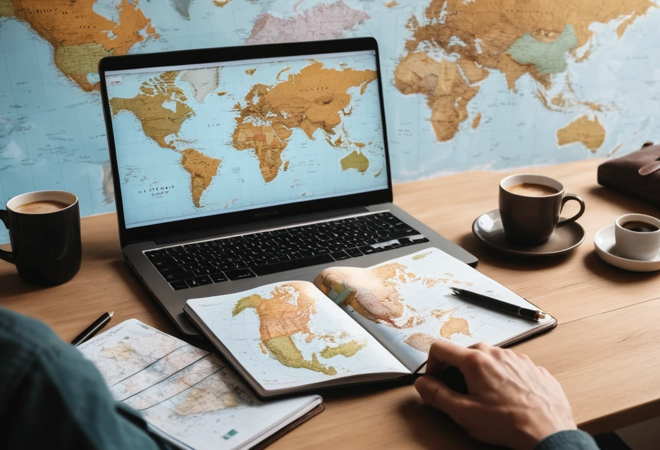
Map Out Your Route 🗺️
A well-planned route saves time, fuel, and energy. Start by looking at the main highways and scenic paths that match your preferences. You can also add detours if you want to explore local attractions.
Use navigation apps, but also trust your instincts. Having a general idea of the route helps if you lose signal or face unexpected closures. Quick planning now prevents confusion later.
Create A Flexible Itinerary ✨
A road trip should be structured but not rigid. Include major stops, activities, and overnight stays, but leave room for surprises. Sometimes the best memories come from spontaneous moments.
Flexibility keeps stress low. If weather changes or traffic slows you down, you can easily adjust plans. Think of your itinerary as a helpful guide, not a strict rulebook.
Estimate Your Budget Smartly 💵
Budgeting helps you avoid overspending. Include fuel, food, lodging, activities, and emergency funds. Since costs vary by location, having a rough estimate keeps you prepared and confident.
Break your budget into categories for clarity. When you understand where your money goes, you can stretch it further and enjoy more along the way.
Here’s a simple breakdown:
| Expense Category | Purpose | Notes |
| Fuel | Main travel cost | Consider distance and mileage |
| Food | Meals & snacks | Add extra for local treats |
| Lodging | Hotels/campsites | Book early for best rates |
Prepare Your Vehicle Before You Go 🔧
Your car is the heart of your trip. Get an oil change, check tire pressure, test brakes, and top off fluids. A quick inspection prevents breakdowns during your journey.
Also look at your headlights, battery health, and emergency equipment. A well-maintained vehicle keeps you safe and avoids costly repairs later.
Pack Smart With Essentials 🎒
Packing light but smart is the secret to stress-free travel. Bring clothes that match the weather, toiletries, chargers, and important documents. Keep essentials within reach.
A few things to include:
- Comfortable shoes
- First-aid kit
- Water bottles
- Snacks
- Travel pillow
- Sunglasses 😎
Packing with purpose creates a smoother experience on the road.
Plan Your Snacks And Meals 🍔
Food keeps your energy up and your mood happy. Pack healthy snacks like nuts, fruit, and protein bars. These help when you’re hungry and far from restaurants.
Plan where you’ll stop for meals. Some routes have fewer dining options, so knowing your choices avoids frustration. Plus, trying local food is part of the fun.
Book Accommodations In Advance 🏨
Even if your itinerary is flexible, it’s smart to secure a place to sleep each night. Hotels and campgrounds fill up quickly, especially during peak seasons.
Booking early saves money and guarantees comfort. You can still adjust plans if needed, but having a base plan gives you peace of mind.
Check Weather Conditions 🌦️
Weather affects everything from safety to comfort. Look up the forecast for every major stop. Rain, snow, or extreme heat may require different gear or alternate routes.
Preparing for weather changes helps you stay comfortable and safe. A quick check each morning keeps you ahead of any surprises.
Keep An Emergency Kit Ready 🚨
Emergency kits give peace of mind. Pack jumper cables, flashlights, spare tires, and basic tools. Add a first-aid kit with bandages, pain relievers, and antiseptic wipes.
These items may seem small, but they matter in unexpected moments. Being prepared is always worth it.
Plan Entertainment For The Drive 🎶
Long stretches of road can get boring. Create playlists, download podcasts, or prepare audiobooks. Entertainment keeps everyone engaged and happy.
If you’re traveling with kids, bring games or activity books. A little preparation keeps the drive fun, not tiring.
Here’s a quick comparison of entertainment options:
| Entertainment Type | Best For | Why It Works |
| Playlists | All ages | Sets the mood and keeps energy high |
| Podcasts | Adults | Great for learning and storytelling |
| Audiobooks | Families | Keeps everyone entertained for hours |
Set Driving Shifts If Traveling In A Group 🚘
Sharing driving responsibilities keeps everyone safe. Long drives become easier when you rotate drivers. This reduces fatigue and improves focus.
Plan shifts based on comfort and driving style. Some prefer night driving, while others enjoy morning routes. Balance the trip to avoid exhaustion.
Know The Laws And Road Rules 🚦
Every state may have different road rules. Speed limits, toll systems, and parking regulations vary. Understanding these helps you stay safe and avoid fines.
Take a moment to check local laws before entering a new area. A little awareness improves confidence while driving.
Stay Connected With Useful Apps 📱
Travel apps make your road trip smoother. Navigation apps help with directions. Fuel apps find cheaper gas. Weather apps update you on storms.
Apps also help you discover attractions, rest stops, and restaurants. Technology enhances your experience when used wisely 😊.
Here’s a simple comparison:
| App Type | Purpose | Benefits |
| Navigation | Directions | Avoids delays |
| Fuel Finder | Save money | Locates cheap stations |
| Weather | Forecasts | Helps with planning |
Plan Daily Driving Limits 🕒
Driving too long can be unsafe. Set a realistic daily limit to avoid fatigue. Most travelers prefer 5–7 hours per day.
Shorter driving windows leave more time to explore and rest. Balance your goals and energy levels to make the journey enjoyable.
Stay Hydrated And Take Breaks 🥤
Simple but important—drink water often. Dehydration makes driving harder. Keep reusable water bottles within reach.
Take breaks every few hours. Stretch, walk, and breathe fresh air. These small pauses keep you alert and comfortable.
Keep Safety A Top Priority 🛡️
Safety is the foundation of a successful road trip. Wear seat belts, follow speed limits, and avoid distractions. Don’t use your phone while driving unless hands-free.
Secure your belongings and lock your vehicle at stops. A safe trip is always a better trip.
Conclusion
Planning a road trip becomes much easier when you prepare ahead, stay flexible, and think about comfort and safety. From choosing your destination to packing smart, each step helps you enjoy the road with confidence. When you organize your route, budget wisely, and keep essentials ready, every mile becomes part of the adventure. The more thoughtful your planning, the more memorable your trip will be.
FAQs
What are the essential things to pack for a road trip?
Pack clothes, toiletries, chargers, snacks, water, and emergency tools. Include a first-aid kit and important documents. Keep essentials accessible for easy use.
How do I plan a budget-friendly road trip?
Estimate costs for fuel, food, lodging, and activities. Use apps to find cheap gas and affordable stays. Add a buffer for unexpected expenses.
How many hours should I drive each day?
Most travelers prefer 5–7 hours per day. This schedule prevents fatigue and leaves time for rest stops. Adjust based on your comfort and route.
How can I make my road trip safer?
Check your vehicle, wear seat belts, and avoid distractions. Carry an emergency kit and follow road rules. Stay aware of weather and traffic updates.
How do I choose the best route for a road trip?
Pick a route based on scenery, safety, and drive time. Use navigation apps and pre-check road conditions. Add detours only if they fit your schedule.