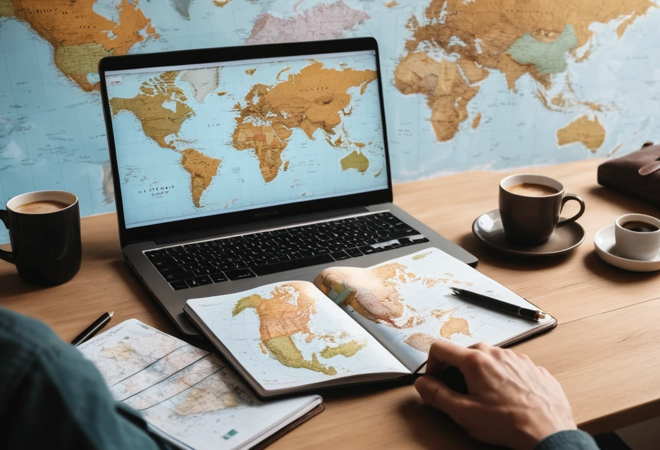
Travel Planning Tips For Budget-Conscious Travelers That Save Big
Travel planning tips for budget-conscious travelers to save money, travel smarter, and enjoy more trips without overspending.
Travel planning tips for budget-conscious travelers focus on smart choices, early planning, and flexibility. By booking wisely, choosing affordable destinations, and managing expenses, you can explore more while spending less—without sacrificing comfort or fun.
Travel Planning Tips For Budget-Conscious Travelers 🌍💸
Ever wondered how some people travel often without going broke?
The secret isn’t luck—it’s smart planning. If you want to travel more while spending less, you need the right strategies. Budget travel doesn’t mean cutting out fun. It means making better decisions with your money.
Let’s dive into practical, easy-to-follow tips that help you travel smarter, cheaper, and better.
Understand Your Travel Budget First 💰
Before anything else, you need to know how much you can spend. A clear budget helps avoid stress later. It also keeps your trip realistic and enjoyable.
Start by listing your income and savings. Then decide how much you can allocate to travel. Be honest with yourself here. Overspending can ruin the experience later.
Break your budget into categories like flights, accommodation, food, and activities. This gives you control and clarity. When you know your limits, you can plan smarter.
Choose Budget-Friendly Destinations 🌎
Not all destinations cost the same. Some places offer amazing experiences for less money. Picking the right location can cut your costs in half.
Look for destinations with a lower cost of living. Southeast Asia, Eastern Europe, and parts of South America are great options. These places offer rich culture and affordable stays.
Also, consider domestic travel. Exploring nearby places saves on flights and visas. Sometimes the best adventures are closer than you think.
Travel During Off-Season 📅
Timing matters more than you think. Traveling during peak season can double your costs. Off-season travel is your best friend.
Flights and hotels are cheaper when fewer people travel. Attractions are less crowded too. This makes your experience more relaxed and enjoyable.
Plan your trip during shoulder seasons. These are the months between peak and off-season. You get good weather and lower prices—a perfect balance.
Book Flights Early And Smart ✈️
Flights often take the biggest chunk of your budget. Booking early can save you a lot. Prices usually rise as the travel date gets closer.
Use flexible dates to find cheaper options. Flying mid-week is often cheaper than weekends. Red-eye flights can also cost less.
Set fare alerts and compare prices on different platforms. Being flexible with your airport can also help you find better deals.
Compare Accommodation Options 🏨
Hotels aren’t your only option anymore. There are many ways to save on accommodation. You just need to explore them.
Consider hostels, guesthouses, or vacation rentals. These can be cheaper and offer a local experience. Some even include kitchens, which help you save on food.
Here’s a quick comparison:
| Accommodation Type | Average Cost | Best For |
| Hostels | Low | Solo travelers |
| Budget Hotels | Medium | Couples |
| Vacation Rentals | Medium | Families |
| Couchsurfing | Free | Adventurous travelers |
Pack Light And Avoid Extra Fees 🎒
Overpacking can cost you money. Airlines charge extra for heavy bags. Packing light saves both money and hassle.
Stick to essentials only. Choose versatile clothing that you can mix and match. This reduces the number of items you carry.
Carry a personal item and a small suitcase. This helps you avoid checked baggage fees. Plus, moving around becomes easier.
Plan Your Meals Wisely 🍽️
Food can quickly drain your budget. Eating out for every meal adds up fast. Smart planning helps you save here.
Try local street food. It’s cheaper and often more authentic. Visit local markets for fresh and affordable meals.
If your stay has a kitchen, cook some meals. Even making breakfast yourself can save a lot over time.
Use Public Transportation 🚍
Transportation within a destination can be costly. Taxis and rideshares add up quickly. Public transport is a cheaper option.
Buses, trains, and metros are budget-friendly. They also give you a local experience. Many cities offer travel passes that save even more.
Walking is another great option. It’s free and lets you explore at your own pace.
Look For Free Activities 🎟️
Not everything worth doing costs money. Many destinations offer free attractions. You just need to find them.
Museums often have free entry days. Parks, beaches, and walking tours are usually free. These experiences can be just as memorable.
Make a list of free activities before your trip. This helps you balance paid and free experiences.
Set Daily Spending Limits 📊
A daily budget keeps your spending in check. It prevents overspending early in the trip. This ensures you don’t run out of money.
Divide your total budget by the number of days. This gives you a daily limit. Try to stick to it as much as possible.
Here’s a simple breakdown:
| Expense Category | Daily Budget Example |
| Food | $20 |
| Transport | $10 |
| Activities | $15 |
| Miscellaneous | $10 |
Use Travel Rewards And Discounts 🎁
Loyalty programs can save you money. Many airlines and hotels offer reward points. These can be redeemed for discounts or free stays.
Credit cards with travel perks also help. Some offer cashback or travel rewards. Just make sure you use them responsibly.
Always check for student, senior, or group discounts. Small savings add up over time.
Be Flexible With Your Plans 🔄
Flexibility can unlock huge savings. Fixed plans limit your options. Being open to changes helps you find better deals.
Try different travel dates. Consider alternative routes. Even changing your destination can save money.
Flexibility also reduces stress. You can adapt easily if something doesn’t go as planned.
Avoid Tourist Traps 🚫
Tourist areas are often expensive. Prices for food, souvenirs, and activities are higher. You end up paying more for less value.
Explore local neighborhoods instead. Prices are usually lower, and the experience is more authentic.
Ask locals for recommendations. They often know the best hidden gems.
Track Your Expenses Daily 📱
Keeping track of your spending is important. It helps you stay within your budget. It also shows where your money goes.
Use a simple app or notebook. Record your expenses every day. This habit keeps you aware and in control.
If you notice overspending, adjust quickly. Small corrections can make a big difference.
Travel With A Group Or Partner 👥
Traveling with others can reduce costs. You can share expenses like accommodation and transportation. This makes travel more affordable.
Group travel also offers discounts in some cases. Tours and activities are often cheaper per person.
Just make sure everyone agrees on the budget. Clear communication avoids conflicts later.
Plan Ahead But Stay Spontaneous ✨
Planning helps you save money. Booking early and researching deals gives you an advantage. But don’t over-plan.
Leave room for spontaneous experiences. Sometimes the best moments are unplanned. These don’t always cost money.
Balance is key. Plan the essentials, but stay open to surprises.
Save Money On Travel Insurance 🛡️
Travel insurance is important, but it doesn’t have to be expensive. Compare different providers to find the best deal.
Choose coverage based on your needs. Avoid paying for unnecessary extras. Basic coverage is often enough for short trips.
Here’s a quick guide:
| Coverage Type | Importance Level |
| Medical Coverage | High |
| Trip Cancellation | Medium |
| Lost Baggage | Medium |
| Adventure Sports | Optional |
Conclusion 🎯
Traveling on a budget isn’t about missing out—it’s about making smarter choices. When you plan carefully, stay flexible, and track your spending, you can explore more without financial stress.
From choosing affordable destinations to using public transport and finding free activities, every small decision adds up. Follow these travel planning tips, and you’ll discover that amazing trips don’t need a big budget—just a smart plan.
FAQs ❓
- How to plan cheap travel step by step?
Start by setting a budget and choosing an affordable destination. Book flights early and compare accommodation options. Track your expenses daily to stay on budget. - What are the best ways to save money while traveling?
Use public transport, eat local food, and look for free activities. Travel during off-season for cheaper rates. Avoid tourist traps and plan your spending. - How far in advance should I book travel?
Book flights 2–3 months in advance for domestic trips. For international travel, aim for 3–6 months ahead. Early booking usually offers better deals. - Is traveling on a budget safe and comfortable?
Yes, budget travel can be safe and enjoyable. Choose trusted accommodations and research your destination. Smart planning ensures both comfort and safety. - What apps help budget travelers save money?
Use apps for flight comparison, accommodation deals, and expense tracking. These tools help you find discounts and manage your budget. They make travel planning easier and more efficient.