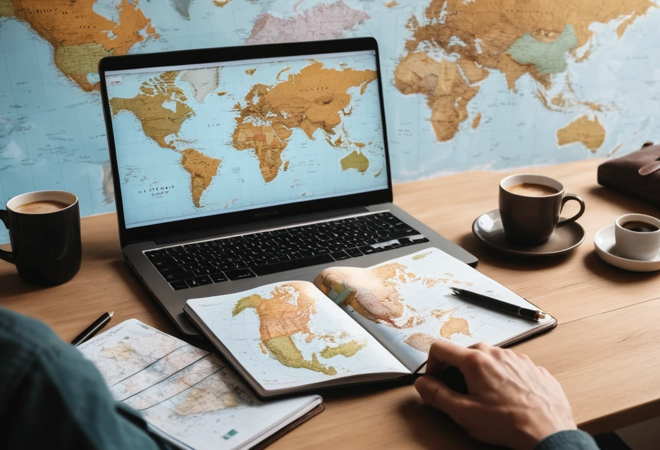
Step-By-Step Guide To Planning A Trip: Ultimate Tips For A Smooth Journey
Step-by-step guide to planning a trip with smart tips, clear steps, and helpful tools to make travel easier, stress-free, and enjoyable.
A step-by-step guide to planning a trip includes choosing your destination, setting a budget, researching transportation, booking stays, creating an itinerary, and preparing essentials. This simple framework keeps your travel stress-free and enjoyable.
Step-By-Step Guide To Planning A Trip ✈️
Have you ever thought planning a trip should feel exciting… but somehow ends up feeling overwhelming instead? Many travelers feel the same. The good news? With the right steps, planning a trip becomes simple, fun, and completely stress-free.
To help you get there, here’s a clear, friendly, and complete guide that walks you through each stage — from picking your destination to preparing for the journey. Let’s make your dream trip actually happen. 🌍✨
Choose Your Travel Destination 🎯
Picking where to go is the first big decision. Many people scroll for hours through photos, yet still feel unsure. That’s normal. Start by thinking about what you want from this trip. Do you want adventure, rest, culture, or nature? Your mood can guide your choice.
You can also compare locations by season, weather, and crowd levels. Some destinations shine in summer, while others feel best in winter. Ask yourself simple questions like “Do I want beaches or mountains?” or “Do I want a quick getaway or a long vacation?” The clearer your goals, the easier the choice becomes.
Set A Realistic Travel Budget 💵
A trip feels better when money stress isn’t involved. Setting a budget helps you stay confident and organized. Start by estimating major areas like flights, hotels, food, and activities. Add a little extra for unexpected expenses because surprises always pop up.
It helps to divide your budget into categories so you can track spending. When you know your limits, you’ll make smarter choices and avoid last-minute regret. Remember, great experiences don’t require a huge budget — just thoughtful planning.
Pick The Best Time To Travel 🗓️
The timing of your trip shapes the entire experience. Traveling during peak seasons can be expensive and crowded. Off-season travel can be quieter and cheaper, but the weather may vary. Understanding these trade-offs helps you plan better.
Think about school holidays, local events, or festival seasons that might affect prices. A little research saves a lot of frustration later. When possible, choose shoulder seasons — they offer a sweet balance of good weather and moderate crowds.
Research Your Destination Thoroughly 🔍
Before booking anything, learn how the place works. Check out local customs, tipping habits, transportation systems, and language basics. Knowing this helps you feel more confident and avoid confusion when you arrive.
Make notes about the neighborhoods, safety tips, food options, and cultural norms. These details help you navigate smoothly. You can also explore videos or blogs to get a feel for the atmosphere and decide what excites you most.
Compare Transportation Options 🚆
Traveling doesn’t always require flying. You might get better deals with trains, buses, or road trips. Compare prices, travel times, and convenience. Each option has its own charm. ✨
Sometimes slower transportation lets you enjoy scenic routes and save money. Other times, flying is faster and more comfortable. Write down your priorities, whether it’s cost, time, or comfort. This simple comparison makes the choice clear.
Book Your Flights At The Right Time 🛫
Flight prices change often, so booking wisely saves big money. Keep an eye on price trends and consider flexible dates. Mid-week flights are often cheaper. Early morning and late-night flights also tend to cost less.
Also check nearby airports for better rates. Use tools to track fluctuations, but don’t wait too long. Once you find a price that fits your budget, lock it in confidently.
▼ Helpful Comparison Table: Best Times To Book Flights
| Travel Season | Typical Prices | Best Time To Book | Crowd Level |
| Peak Season | High | 2–4 months before | Very High |
| Shoulder Season | Moderate | 1–2 months before | Medium |
| Off Season | Low | 2–6 weeks before | Low |
Choose The Right Accommodation 🏨
Where you stay affects how your trip feels. Hotels, hostels, homestays, and rentals each offer unique benefits. Think about comfort, safety, location, and price. A good location lets you move around easily without wasting time.
Check reviews and photos before booking. Look for recent comments about cleanliness and service. Even if the place looks perfect, make sure it fits your style — quiet, social, luxury, or budget-friendly.
Create A Flexible Itinerary 🗺️
Planning is helpful, but strict schedules can feel tiring. Build an itinerary with space to breathe. Include must-see spots, local food stops, and free time. This gives you structure without pressure.
List out what excites you most and spread these activities across your days. Too many plans can lead to burnout while too few can cause confusion. Aim for balance so every day feels enjoyable.
Organize Your Travel Documents 📑
A smooth trip starts with organized paperwork. Check your passport expiration date early. Some countries require six months of validity. Look into visas, entry permits, or vaccination rules.
Keep digital and physical copies of important documents. Store them in a travel folder or cloud storage. This simple step prevents major stress if something goes missing.
Plan Your Daily Transportation 🚖
Knowing how to move around the city saves time and money. Some places rely on metro systems, while others depend on buses or taxis. Research what’s easiest and safest.
If you prefer independence, renting a car might be ideal. Just check the driving rules first. Walking tours and bike rentals are great ways to explore new areas at a slower, more personal pace.
▼ Transportation Options Breakdown
| Mode | Best For | Cost Level | Convenience |
| Metro | Fast city travel | Low | High |
| Taxi | Short distances | Medium-High | High |
| Bus | Budget travel | Low | Medium |
| Rental Car | Road trips | High | High |
Make A Packing Checklist 🎒
Packing becomes easier when you make a list. Start with basics like clothes, shoes, chargers, and toiletries. Add destination-specific items like jackets, sunscreen, or hiking gear.
Try to pack light so you move easily and avoid baggage stress. Roll your clothes to save space. Keep essentials in your carry-on, especially medication, IDs, and chargers.
Prepare For Health And Safety 🛡️
Health and safety should never be ignored. Check if travel insurance is needed. It’s a small cost that gives big peace of mind. Research local emergency numbers too.
If you take daily medications, carry enough for the entire trip. Pack basic first-aid supplies. Knowing you’re prepared lets you enjoy the journey without worry.
Plan Your Food And Dining Experience 🍽️
Food is a huge part of travel joy. Look up local dishes and try to taste them during your trip. Search for popular restaurants or street food spots. Leave room for unexpected delicious finds too. 😋
Set aside part of your budget for meals and treats. Trying new flavors brings your trip to life. Just be mindful of hygiene when eating street food.
Book Activities In Advance 🎢
Some attractions sell out fast. Booking tickets early saves time and ensures you don’t miss out. Priority lines also help you avoid long waits.
But keep some parts of your schedule open. Spontaneous adventures often become the best memories. Mix planned fun with free-flow exploration.
▼ Example Activity Planning Table
| Activity Type | Should You Book Early? | Time Needed | Budget Range |
| Museum Tours | Yes | 2–3 hours | Low-Medium |
| Adventure Sports | Yes | Half Day | High |
| City Walks | No | 1–2 hours | Low |
| Food Tours | Optional | 3 hours | Medium |
Stay Connected While Traveling 📱
Staying online helps you navigate, translate, and stay in touch. Get a local SIM card or an international roaming plan. Many cities also offer free Wi-Fi spots.
Download essential apps early, like maps and offline guides. Staying connected gives you confidence, especially in new places.
Make Room For Spontaneity 🌟
Even the best plans need breathing space. Leave open blocks of time to wander, explore, and discover. The most magical moments often happen without planning.
You might stumble upon a hidden café, a beautiful viewpoint, or a special event. These surprises shape the heart of your trip.
Conclusion: Your Perfect Trip Starts With Smart Planning ✨
Planning a trip doesn’t need to feel stressful. When you break it into clear steps, everything becomes easier and more enjoyable. Choose your destination, set your budget, book smart, stay flexible, and enjoy every moment. A well-planned trip gives you freedom, confidence, and unforgettable memories. 🌍💛
FAQs
How do I plan a trip from scratch?
Start by choosing your destination and setting your budget. Then research flights, stays, and activities. Create a simple itinerary that balances structure and flexibility.
What is the best way to organize travel plans?
Keep everything in one place. Use a digital folder or travel app to store bookings, documents, and notes. This keeps your trip organized and stress-free.
How early should I start planning a trip?
Begin planning 2–4 months before your travel date. This gives you time to compare prices and collect the best deals. Early planning also reduces last-minute stress.
How do I create a trip itinerary easily?
List your must-do activities first. Spread them across your days and add flexible open time. This keeps the trip exciting but not hectic.
What should I pack for a vacation?
Pack essentials like clothes, toiletries, and chargers. Add location-specific items such as jackets or swimwear. Always keep important documents and medication in your carry-on.