Wildlife Tracking Expeditions In Africa – Thrilling Adventure Guide
Wildlife tracking expeditions in Africa offer thrilling safaris, expert guides, and close encounters with nature’s most iconic animals.
Wildlife tracking expeditions in Africa are guided adventures where you follow animal footprints, signs, and behaviors to find wildlife in their natural habitats. These trips combine safari travel, expert trackers, and immersive outdoor experiences, offering a deeper, more authentic way to see Africa’s iconic animals up close.
Wildlife Tracking Expeditions In Africa
Have you ever wondered what it feels like to follow a lion’s footprints through the wild? 🐾
Wildlife tracking expeditions in Africa give you that exact thrill. Instead of just watching animals from a distance, you become part of the journey. You learn how animals move, hunt, and survive. It’s not just sightseeing—it’s real adventure.
These expeditions are designed for travelers who want more than a basic safari. You walk, observe, and listen. You connect with nature in a deeper way. And honestly, once you try it, regular safaris may feel a bit boring.
What Are Wildlife Tracking Expeditions? 🐘
Wildlife tracking expeditions are guided journeys where trained trackers help you follow animal trails. These trails include footprints, broken branches, and even subtle smells.
You don’t just see animals—you understand them. Trackers teach you how to read the land like a storybook.
Most tracking trips happen on foot or in open vehicles. Walking safaris are especially popular. They make the experience more intense and exciting. Every sound feels louder, and every movement matters.
Why Africa Is The Best Place For Tracking 🌍
Africa is home to some of the world’s richest wildlife ecosystems. From savannas to jungles, the diversity is unmatched.
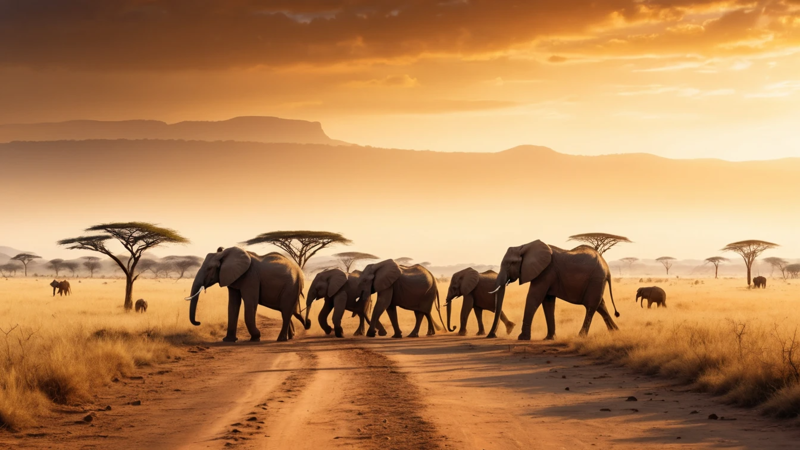
The continent hosts the famous Big Five—lion, elephant, leopard, rhino, and buffalo. These animals are often the main focus of tracking expeditions.
What makes Africa special is the experience. You’re not in a zoo. You’re in the wild. The landscapes, sounds, and culture all come together to create something unforgettable.
Types Of Wildlife You Can Track 🦁
Different regions offer different animals. That’s what makes every trip unique.
You might track large predators like lions or smaller animals like antelopes. Birds and reptiles are also part of the adventure.
Here are common animals tracked:
- Lions 🦁
- Elephants 🐘
- Leopards 🐆
- Rhinos 🦏
- Buffalo 🐃
- Giraffes 🦒
- Zebras 🦓
Each tracking experience feels like solving a mystery. You follow clues until the animal appears.
Popular African Destinations For Tracking 🗺️
Some places are better than others for tracking wildlife. These destinations offer top experiences:
- South Africa – Great for Big Five tracking
- Kenya – Famous for Maasai Mara safaris
- Tanzania – Home to Serengeti migration
- Botswana – Rich in wetlands and wildlife
- Namibia – Unique desert tracking
Each location has its own charm. Some are lush and green. Others are dry and rugged. But all offer unforgettable tracking moments.
Walking Safaris Vs Vehicle Tracking 🚶♂️
Walking safaris bring you closer to nature. You feel every step and sound. It’s raw and exciting.
Vehicle tracking is safer and covers more ground. You can see more animals in less time.
Here’s a quick comparison:
| Feature | Walking Safari | Vehicle Tracking |
| Experience | Immersive | Comfortable |
| Distance Covered | Limited | Wide |
| Thrill Level | High | Moderate |
| Safety | Guided Only | Very Safe |
Both options are amazing. It depends on your comfort level and adventure style.
How Trackers Read Animal Signs 🔍
Trackers are like detectives of the wild. They read signs most people would miss.
They look at footprints, broken grass, and even dung. Each clue tells a story about the animal’s movement.
For example:
- Fresh tracks = animal nearby
- Dry dung = animal passed earlier
- Broken branches = large animal movement
It’s fascinating to watch them work. You start noticing details you never saw before.
What To Expect On A Tracking Expedition 🎒
Your day usually starts early. Animals are most active in the morning.
You’ll head out with a guide and tracker. They explain everything along the way. You’ll stop often to study signs.
Expect:
- Long walks or drives
- Close wildlife encounters
- Learning moments
- Quiet observation
It’s not rushed. It’s about enjoying every second.
Best Time To Go Wildlife Tracking 🌅
Timing matters a lot. Dry seasons are usually best for tracking. Animals gather near water sources.
In many regions, the best months are:
- June to October
- December to February
During these times, visibility is better. Grass is shorter, and animals are easier to find.
Essential Gear For Tracking Expeditions 🎒
Packing right makes a big difference. You want to stay comfortable and safe.
Here’s what you’ll need:
- Lightweight clothing
- Neutral colors (avoid bright shades)
- Comfortable walking shoes
- Hat and sunglasses
- Binoculars
- Water bottle
Keep it simple. The goal is to blend in and stay prepared.
Safety Tips For Tracking Wildlife ⚠️
Tracking wild animals can be risky. But guides are trained to keep you safe.
Follow these rules:
- Always stay with your guide
- Keep noise low
- Don’t run or panic
- Maintain safe distance
- Listen carefully to instructions
“Respect the wild, and it will respect you.”
Safety is always the top priority.
Cost Of Wildlife Tracking Expeditions 💰
Prices vary depending on location and luxury level. Some trips are budget-friendly, while others are premium.
Here’s a general idea:
| Type Of Trip | Price Range (Per Day) |
| Budget Safari | $150 – $300 |
| Mid-Range | $300 – $700 |
| Luxury Safari | $700 – $1500+ |
Costs often include guides, meals, and accommodation.
Benefits Of Guided Tracking Experiences 👣
Guided tracking gives you access to expert knowledge. You learn things you wouldn’t on your own.
Benefits include:
- Better chances of spotting animals
- Educational insights
- Increased safety
- Cultural experiences
It’s like having a personal wildlife teacher with you.
Cultural Experiences During Expeditions 🌿
Many tracking trips include visits to local communities. You learn about traditions and lifestyles.
You might meet tribal groups like the Maasai. They share stories and survival skills.
This adds depth to your journey. It’s not just about animals—it’s about people too.
Eco-Friendly And Sustainable Tracking 🌱
Responsible tourism is important. Many expeditions focus on conservation.
They support wildlife protection and local communities.
Choose operators who:
- Follow ethical practices
- Limit group sizes
- Support conservation projects
This helps protect Africa’s wildlife for future generations.
Common Challenges During Tracking 🌄
Tracking isn’t always easy. It requires patience and effort.
You might face:
- Long walks
- Hot weather
- Waiting periods
- Unpredictable sightings
But that’s part of the adventure. The reward makes it worth it.
Tips For First-Time Travelers ✈️
If it’s your first time, keep things simple. Don’t overthink it.
Helpful tips:
- Start with a guided safari
- Choose a reputable operator
- Stay flexible
- Be patient
Remember, nature doesn’t follow a schedule.
How To Choose The Right Expedition 🧭
Not all trips are the same. Picking the right one matters.
Consider:
- Budget
- Location
- Type of animals
- Comfort level
Here’s a quick guide:
| Traveler Type | Best Option |
| Beginner | Guided vehicle safari |
| Adventure Lover | Walking safari |
| Luxury Traveler | Premium lodge safari |
Choose what fits your style.
Conclusion
Wildlife tracking expeditions in Africa offer more than just a trip—they offer a true connection with nature. You follow trails, learn from experts, and experience the wild in its purest form.
Whether you choose walking safaris or vehicle tracking, each moment feels real and exciting. From spotting lions to learning tracking skills, every day brings something new.
If you’re looking for an adventure that’s both thrilling and meaningful, this is it. Africa is waiting—and the wild is calling. 🌍🐾
FAQs
What Is Wildlife Tracking In Africa?
Wildlife tracking involves following animal signs like footprints and trails. Guides help you locate animals in the wild. It’s an interactive safari experience.
Is Wildlife Tracking Safe For Beginners?
Yes, tracking is safe with trained guides. They know how to handle wildlife encounters. You must follow their instructions carefully.
What Animals Can I Track In Africa?
You can track lions, elephants, rhinos, and more. Many trips focus on the Big Five. Smaller animals and birds are also included.
How Much Does A Tracking Safari Cost?
Costs range from budget to luxury options. Prices start around $150 per day. Luxury trips can exceed $1000 daily.
When Is The Best Time For Tracking Safaris?
Dry seasons are best for tracking wildlife. Animals gather near water sources. This makes them easier to find and observe.